
Are Ear Infections Contagious? What Spreads and What Doesn’t

Are ear infections contagious? Quick answer: No, ear infections themselves are not contagious. You cannot catch an ear infection from someone else’s ear. However, the colds, flu and other respiratory viruses that often lead to ear infections are contagious, so a child with an ear infection may still be spreading the virus that triggered it. […]
Chest Cold vs. Chest Congestion: What the Rattle Actually Means

Quick answer: When looking into chest cold symptoms, it helps to know that a chest cold is the everyday name for acute bronchitis, an inflammation of the airways usually caused by a virus. Its main signs are a persistent cough (often with mucus), chest tightness or soreness, mild wheezing, fatigue, and sometimes a low fever. […]
How Long Does Bronchitis Last and When a Cough Needs a Doctor

Quick answer: When wondering how long does bronchitis last, acute bronchitis usually lasts one to three weeks. Fever, aches and congestion typically improve within the first week, but the cough often lingers for two to three weeks, and sometimes longer, as the airways heal. Most cases are caused by viruses and go away on their […]
Bronchitis or Pneumonia? The Difference That Decides Your Treatment
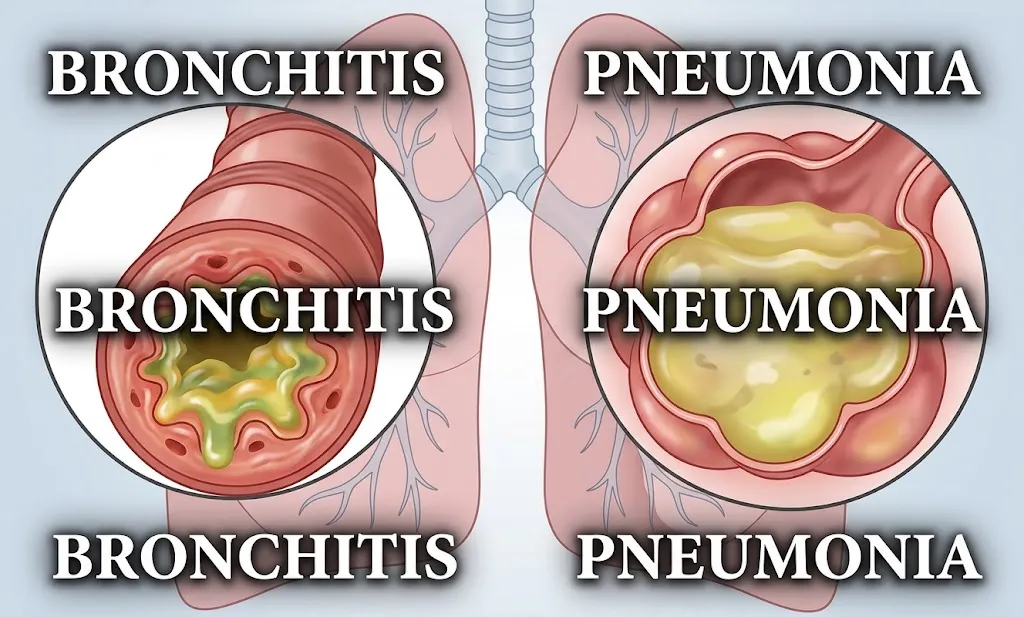
Quick answer: When comparing bronchitis vs pneumonia, both conditions cause coughing, but they affect different parts of the lungs. Acute bronchitis is inflammation of the airways (the bronchial tubes) and is usually caused by a virus; it typically gets better on its own, though the cough can last up to three weeks. Pneumonia is an […]
How Long Are You Contagious With COVID?

When wondering how long is covid contagious, the Quick answer: is that people with COVID-19 can spread the virus starting about 1 to 2 days before symptoms begin and are usually most contagious in the first few days of illness. Most people with mild illness are much less likely to spread it after roughly 5 […]
COVID Symptoms in 2026: What’s Changed With the Current Variants

Quick answer: COVID symptoms 2026 look a lot like a bad cold or the flu. The most commonly reported symptoms are sore throat, congestion or runny nose, cough, fatigue, headache, muscle aches and fever or chills. Many people notice a sore or scratchy throat first. Loss of taste or smell still happens but is less […]
COVID or Flu? Telling Them Apart by Symptom and Timeline
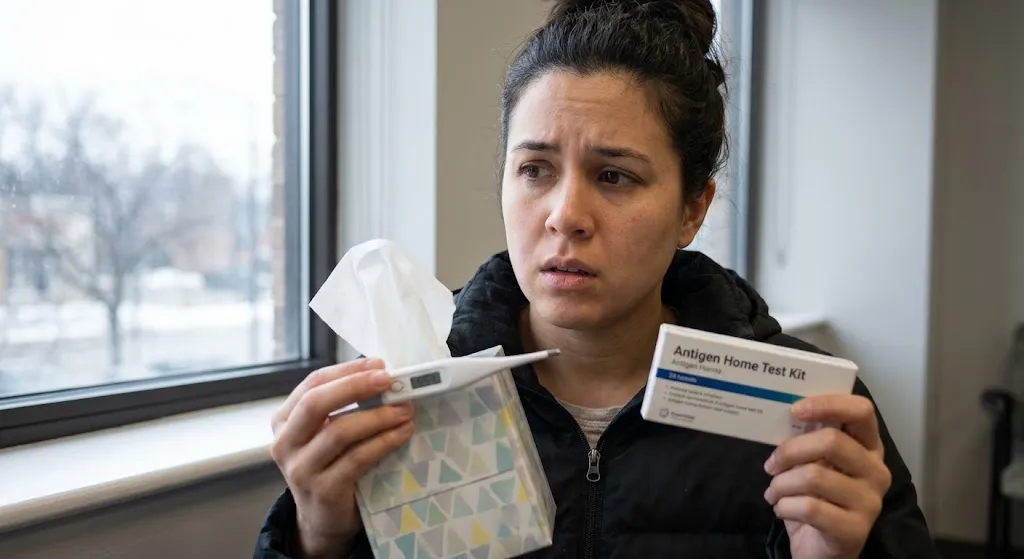
Quick answer: Understanding the symptoms of COVID vs flu is crucial, as both illnesses share many common signs—including fever, cough, sore throat, body aches, headache, and fatigue—making them hard to tell apart by symptoms alone. A few patterns can offer clues: flu tends to hit suddenly and hard within one to four days of exposure, […]
Is It Too Late to Get a Flu Shot? (Short Answer: Usually No)

Quick answer: In most cases, is it too late to get a flu shot? No! The CDC recommends that flu vaccination continue for as long as influenza viruses are circulating, and in the U.S. flu often keeps spreading into March, April and sometimes May. A shot in November, December, January or even later can still […]
When to Get Your Flu Shot: The Timing That Actually Protects You

Quick answer: For most people, the best time to get a flu shot is September or October, before flu activity usually rises in the United States. The CDC’s interim guidance for the 2026–2027 season keeps that recommendation and adds that vaccination should continue throughout the season as long as flu viruses are circulating. Your body […]
Flu Shot Side Effects: What’s Normal, What’s Not, and How Long It Lasts

Quick answer: Most flu shot side effects are mild and short-lived. The most common are a sore, red or slightly swollen arm where the needle went in, followed by a low-grade fever, headache, muscle aches, tiredness or mild nausea in some people. These usually start within a day and fade within one to two days. […]