

Your throat hurts and the test came back positive and now the only question that actually matters is when you stop being a walking risk to everyone around you.
Here’s the thing. The answer changes completely depending on whether you started antibiotics. Somebody who fills the prescription and takes the first dose tonight is looking at a short window. Somebody who decides to tough it out is looking at weeks.
This article covers how long is strep throat contagious with treatment and without it and how strep throat spreads and what the common symptoms look like and whether strep throat goes away on its own. It also covers antibiotic treatment and simple ways to prevent strep throat from moving through your household here in Chicago.
How Long Is Strep Contagious? The Short Answer
Strep throat stops being contagious after roughly 24 hours of antibiotic treatment. The CDC says to stay home from work or school or daycare until you no longer have a fever and you have taken antibiotics for at least 12 to 24 hours. Johns Hopkins Medicine puts the same idea slightly differently and says people taking antibiotics become less contagious over 24 to 48 hours.
Without antibiotics that window stretches out badly. A person with untreated strep can pass the infection to others for two or three weeks according to Johns Hopkins Medicine.
So the single biggest thing you control here is how fast you get tested and start treatment. That’s it. Plain and simple.
| Situation | How long you stay contagious |
|---|---|
| Taking antibiotics | Less contagious over 24 to 48 hours |
| Fever gone and 12 to 24 hours of antibiotics | Generally clear to return to work or school |
| No antibiotics at all | Two or three weeks |
| Still running a fever | Stay home regardless of hours on antibiotics |
Confirm your own timing with your healthcare provider. Household situations differ and so do jobs. Someone working in a daycare or a kitchen may get different instructions than someone working from a desk at home.
What Is Strep Throat and What Causes It
Strep throat is a bacterial infection of the throat and tonsils caused by group A streptococcus. People shorten that to group A strep. It’s not a virus and it doesn’t respond to rest the way a cold does.
What causes strep throat is contact with those bacteria from another person who’s carrying them. That’s the whole mechanism. There’s no seasonal trigger or weather cause behind it even though cases of strep throat pick up when people spend more time indoors together.
The bacteria that causes strep throat lives in the nose and throat. Which is exactly why it moves so easily between people who talk and eat and sit close to each other every day.
How Is Strep Throat Spread
Strep throat spreads from person to person through droplets of saliva or fluid from the nose. Johns Hopkins Medicine describes the bacteria traveling in oral and nasal secretions when an infected person coughs or sneezes or talks or laughs or sings.
You can pick it up a few different ways. Breathing in airborne droplets after someone with strep throat coughs near you. Touching a surface those droplets landed on and then touching your face. Sharing eating utensils or a drink with a person with strep throat.
MedlinePlus describes the spread of strep throat as person to person contact with fluids from the nose or saliva and notes it commonly spreads among family or household members.
That last part is the one people underestimate. The risk of getting strep is much higher when you live with someone who has it than when you pass a stranger on the Blue Line.
How Long After Exposure Do You Get Sick
The CDC says it usually takes 2 to 5 days after exposure to become ill with strep throat. So the person who gave it to you probably had contact with you earlier in the week and not that morning.
Early strep throat can feel like nothing much at first. A little scratchiness. Then it turns sharp fast and that’s usually the point where people start paying attention.
How Contagious Is Strep Throat Around the House
Strep throat is very contagious and households are where it does most of its damage. Once one person in a home has it the rest of the house is the highest risk group by a wide margin.
Kids bring it home from school and hand it to a sibling and then a parent picks it up two days later. I’ve seen families cycle through it three times in a month because nobody swapped out toothbrushes or stopped sharing water bottles.
Adults tend to assume they’re fine because their symptoms run milder. But a mild case still spreads. Someone with a barely sore throat and no fever can still be moving group A strep around a kitchen for days.
How Long Are You Contagious With Strep Without Antibiotics
Untreated strep throat can remain contagious for two or three weeks. That figure comes from Johns Hopkins Medicine and it’s the strongest practical argument for getting a swab instead of waiting.
Think about what two or three weeks means in a real household. That’s a full school cycle. That’s several rounds of shared meals and shared bathrooms and shared surfaces. A single untreated case can keep an infection bouncing between family members for over a month.
Some people carry the bacteria without feeling sick at all. Carriers are generally considered much less likely to pass strep throat along than someone with active symptoms but this is a question for a provider and not for the internet.
How Long Does Strep Throat Last
Symptoms of strep throat most often get better in about one week according to MedlinePlus. With antibiotic treatment most people feel better inside one to two days.
That gap between feeling better and being finished with the medication trips people up constantly. You feel fine on day three and the pills are still sitting there for another week. Take them anyway. The full course is what clears the bacteria and lowers the risk of complications.
MedlinePlus notes that penicillin or amoxicillin should be taken for 10 days even though symptoms are often gone within a few days.
Common Symptoms of Strep Throat
The common symptoms of strep throat include a sore throat that starts very quickly and pain when you swallow and fever and red and swollen tonsils and white patches or streaks of pus at the back of your throat and swollen lymph nodes in the neck and tiny red spots on the roof of the mouth. That list comes straight from the CDC.
What’s usually missing matters too. A cough and a runny nose and hoarseness point away from strep and toward a virus instead. Most cases of sore throat in any given winter are viral and clear on their own.
Strep throat symptoms in adults can run quieter than they do in kids. Lower fever. Fewer visible white patches. That’s part of why adults skip testing and end up spreading it. Some people also develop scarlet fever which is the same strep infection with a rash added on. If a rash shows up along with throat pain get it looked at rather than guessing.
Does Strep Throat Go Away on Its Own
Symptoms may fade on their own but the infection still carries a risk of complications like rheumatic fever. Because of that strep throat is treated with antibiotics rather than waited out.
The CDC lists possible complications including abscesses around the tonsils or neck and ear infections and sinus infections and post streptococcal glomerulonephritis which affects the kidneys and rheumatic fever which can affect the heart and joints and brain and skin.
Those outcomes are uncommon. Antibiotic treatment is a big part of why they stay uncommon.
So will strep throat go away on its own? Sometimes the sore throat quiets down without treatment. That isn’t the same as the infection being handled and it doesn’t shorten how long you stay contagious.
Antibiotics for Strep Throat and When You Stop Being Contagious
Antibiotics for strep throat shorten the illness and cut the contagious window down to about a day. Penicillin or amoxicillin are most often the first medicines tried according to MedlinePlus and the course typically runs 10 days.
Amoxicillin for strep throat is common in kids because the taste is easier to get down. People who are allergic to penicillin have other options and a provider will pick one that fits. Never start leftover antibiotics from an old prescription or take someone else’s. Dosing and drug choice belong with your provider and pharmacist.
| What antibiotic treatment does | What it means for you |
|---|---|
| Shortens the contagious period | Less contagious over 24 to 48 hours |
| Speeds up symptom relief | Many people feel better in one to two days |
| Lowers risk of complications | Includes rheumatic fever and kidney problems |
Once you have a prescription in hand our pharmacy and delivery service can get the medication to your door so you’re not driving across the neighborhood with a throat that feels like broken glass.
Finishing the course still matters even after you stop being contagious. Those two things run on separate clocks.

How to Get Rid of Strep Throat and Feel Better at Home
You get rid of strep throat with antibiotics. Everything else is comfort care that helps you relieve symptoms while the medication does the real work.
Warm liquids help a lot of people. So do cold drinks and throat lozenges and a humidifier running overnight. Salt water gargles are cheap and they take the edge off. Rest and fluids do more than people give them credit for.
Over the counter pain relievers can help with the throat pain and fever. Follow the label or ask your provider or pharmacist what fits your situation.
Treating strep throat at home without a diagnosis is where people get into trouble. You can be managing what feels like a bad cold and actually be spreading a contagious bacterial infection for another two weeks.
How to Prevent Strep Throat From Spreading
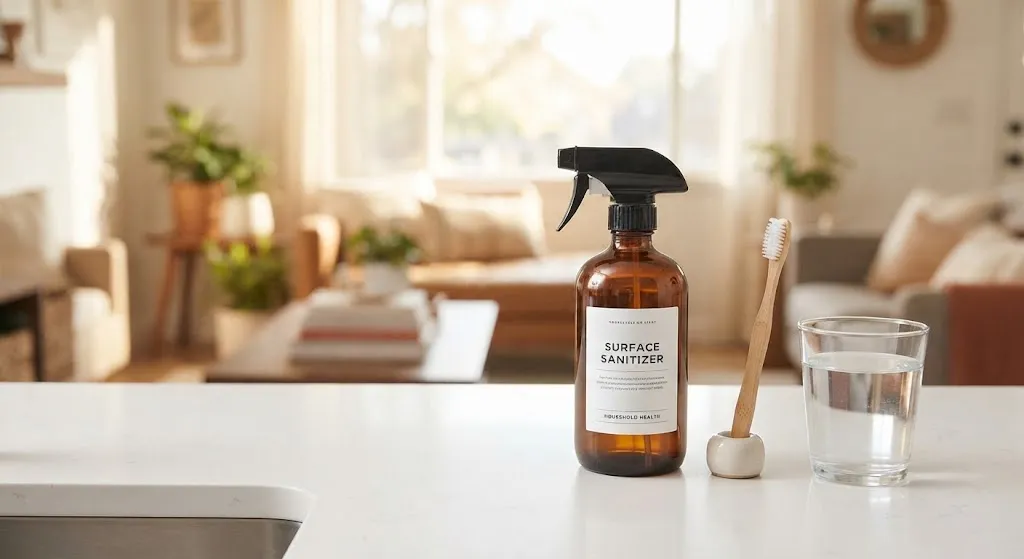
Preventing the spread of strep throat comes down to a handful of ordinary habits that work better than people expect. Wash hands often and especially before meals. Cover a cough or a sneeze with your elbow. Don’t share drinks or eating utensils while someone in the house is sick.
Swap the toothbrush after a day or two on antibiotics. It’s a small thing that almost everyone forgets.
Keep the sick person’s plates and cups separate for a couple of days. And keep them home until the fever is gone and they’ve had at least 12 to 24 hours of antibiotics behind them.
There’s no vaccine for group A strep so you can’t prevent strep throat that way. Staying current on your routine vaccinations does cut down on flu and other viral infections that fill Chicago clinics with sore throats every winter which means fewer trips down this road overall.
When to Get Checked in Chicago
Get evaluated if your throat pain came on suddenly or you have a fever or you can see white patches at the back of your throat or your lymph nodes are swollen or someone close to you recently tested positive.
Go to an emergency room or call 911 instead if there’s trouble breathing or trouble swallowing your own saliva or drooling or a stiff neck with high fever or severe swelling in the throat. Those signs need emergency care and not a walk in visit.
For everything else a same day visit usually does the job. Our urgent care clinic in Chicago handles sore throat and fever visits all through the cold months and a strep test is a five second swab.
Sunny Side Medical Center sits at 3228 W. North Ave. and serves patients across Logan Square and Humboldt Park. Hours run Monday through Friday from 9am to 5pm and Saturday from 9am to 1pm.
Getting Tested and What to Expect
A strep test or a throat culture is the only way to confirm strep throat. A provider brushes the back of your throat with a soft swab and runs a rapid strep test for quick results or sends it for a culture that grows the bacteria over a longer window.
The CDC notes a throat culture takes longer but sometimes catches infections that the rapid strep test misses. For children and teens a culture after a negative rapid result matters. For adults a follow up culture is typically unnecessary.
Our on site clinical lab handles the testing during your visit so the result and the treatment conversation happen in one stop.
If sore throats keep coming back season after season our primary care team can take the longer view instead of treating each round as a separate event. And if your throat symptoms follow the same yearly pattern with itchy eyes and sneezing then allergy testing might explain more than another strep swab would.
You can meet our provider before you come in if that makes the visit easier. Cost questions are fair ones too. Sunny Side accepts in network insurance and out of network insurance and self pay and you can review the in network insurance plans ahead of time.
Frequently Asked Questions
How long is strep contagious after starting antibiotics?
Most people become much less contagious within 24 to 48 hours of starting antibiotic treatment. The CDC advises staying home until the fever is gone and antibiotics have been taken for at least 12 to 24 hours. Ask your provider about your specific situation before returning to work or school.
Is strep contagious without a fever?
Yes. Fever is common with strep throat but people can still spread the bacteria without one. The contagious window is tied to whether you have started antibiotics and not to your temperature alone.
How contagious is strep throat compared to a cold?
Strep throat is a highly contagious bacterial infection and it spreads efficiently in households and classrooms. A cold spreads easily too but it clears on its own while strep throat needs antibiotic treatment to shorten the contagious period.
How does strep throat spread from person to person?
It spreads through droplets of saliva and fluid from the nose when an infected person coughs or sneezes or talks. You can also get it from touching a contaminated surface and then your face or from sharing drinks and eating utensils.
How do you get strep throat if you have not been around anyone sick?
Symptoms usually appear 2 to 5 days after exposure so the contact often happened earlier than people remember. Some people also carry the bacteria without symptoms which makes the source hard to trace.
How long does strep throat last with treatment?
Symptoms often improve within one to two days of starting antibiotics and most cases resolve in about a week. The full 10 day course still needs to be finished even after you feel better.
Will strep throat go away on its own?
Symptoms may ease without treatment but the infection can lead to complications like rheumatic fever. Strep throat is treated with antibiotics for that reason and untreated cases stay contagious far longer.
Is amoxicillin for strep throat the same as penicillin?
They are related antibiotics and both are commonly used first for strep throat. A provider chooses between them based on age and history and whether the patient is allergic to penicillin.
Can you get strep throat twice in the same season?
Yes. Recovering from one strep infection does not protect you from getting another. Repeat infections in the same household are common when prevention habits slip.
How soon can my child go back to school after strep throat?
The CDC says a child can return once the fever is gone and antibiotics have been taken for at least 12 to 24 hours. Confirm the timing with your child’s healthcare provider and check your school’s own policy.
Medical Disclaimer
This article is educational and is not a substitute for professional medical advice or diagnosis or treatment. It can’t tell you what’s causing your symptoms and it can’t replace a throat swab. Always talk with a qualified healthcare provider about your own situation and never delay care because of something you read online.
Final Thoughts
Strep throat stops being contagious after about 24 hours of antibiotics while an untreated infection can spread for two or three weeks. Symptoms usually clear in about a week and the full course of medication still needs finishing. Testing is quick and it’s the only way to know what you’re dealing with. If your throat pain came on fast with a fever the practical next step is to book an appointment and get swabbed.
Questions before you come in? You can contact our Chicago clinic during open hours.
- Email: info@sunnysidemedicalcenter.com
- Address: 3228 W. North Ave., Chicago, IL 60647
- Phone: 773 292 9660

